Home Siding Installation for Older Houses
Request your siding estimate
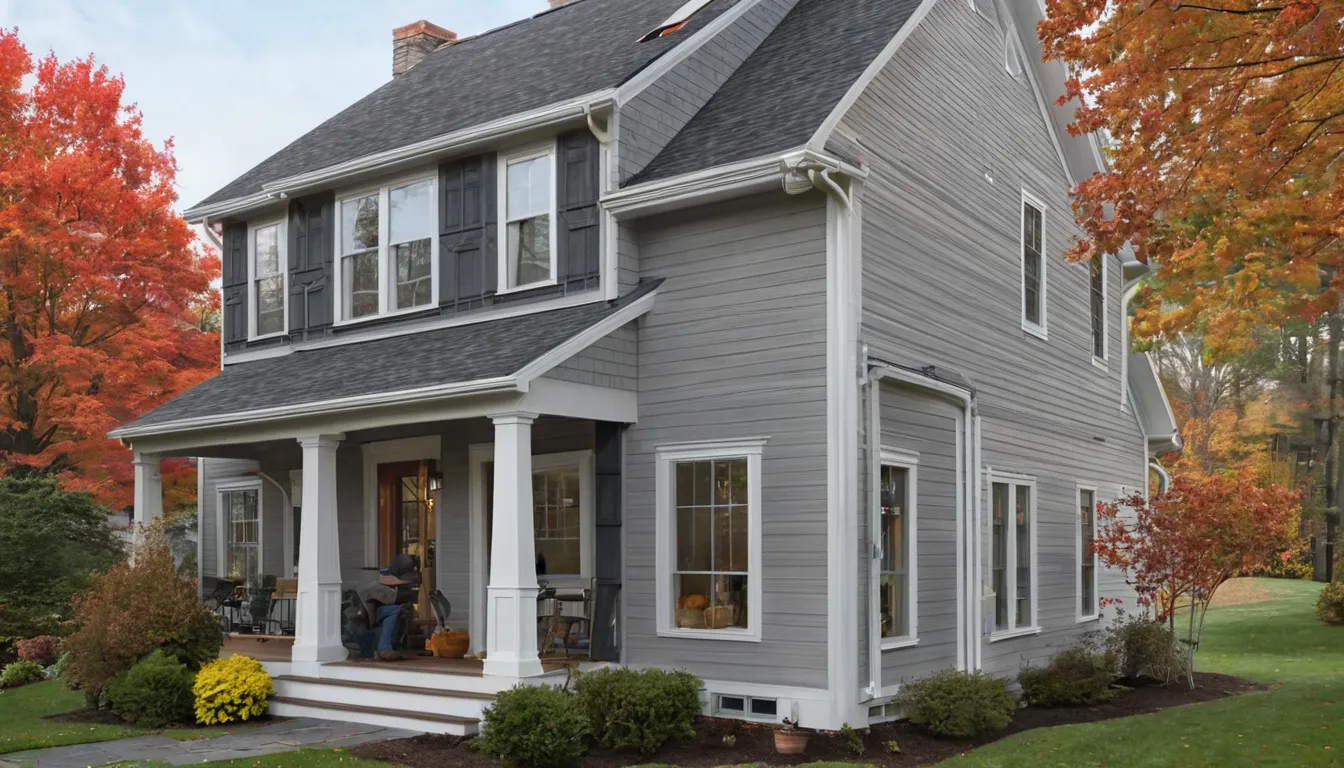
Siding is your home's first layer against rain, snow and wind. When it cracks, warps or pulls loose, water can slip behind it. In an older house, that water may reach wood framing that has already seen decades of weather.
Poshwashnlube Windows & Siding is a referral service. We do not install siding. We connect you with independent providers in our network who work on older homes in the Haverhill area. They know about past patch jobs, odd framing and surprises behind the trim. Do a few simple checks yourself, then request an estimate and compare what each provider finds.
Siding Failing? Start Here
Walk around your house with a notepad. Look at every wall up close. Press on boards. Tap them. Write down what you find. Ten minutes gives you a clear picture before you talk to anyone.
Check, then call
Stay on the ground. Use binoculars for high spots. Never climb a ladder onto a wet or icy slope. If you spot open gaps or soft wood, treat it as a priority and request an estimate from a provider in our network.
Signs That Need Attention First
Gaps, missing pieces and loose panels
Wind can lift loose panels fast, and coastal storms make it worse. Open gaps let rain and snowmelt reach the wall behind. Look for pieces on the lawn, flapping edges and bare patches.
Soft or spongy wood
Push a screwdriver tip gently into trim and wall boards near the ground. If it sinks in, the wood may be wet or rotting. Mark the spot with tape so a provider can see how far it goes.
Stains, mold and bubbling paint
Dark streaks, green patches and paint blisters can point to moisture stuck in the wall. Check inside too. Look at ceilings and corners near that wall for stains or a musty smell.
Signs That Can Wait a Little
Rub a wall with your palm. If color comes off like chalk, the surface is aging. That is not an emergency, but it is a hint to start planning. Hairline cracks matter too. Cold snowy winters stretch and shrink siding, and small cracks tend to grow each season. Take photos now and again in spring, then compare.
Cold rooms and high heating bills
Drafty rooms on outside walls can mean thin or missing insulation behind old siding. New siding is a chance to fix that. Ask providers what they can add under the new layer.
What Older Houses Hide
Layers from past repairs
Many older homes wear two or three layers. You might have wood clapboard, then old shingles, then vinyl on top. Patches can hide under trim. Some very old shingles may need testing before removal, so ask the provider how they handle that.
Walls that are not square
Older framing settles. Cape Cod rooflines, stone and block foundations and add-on rooms often leave walls slightly crooked. An experienced installer shims and adjusts so the new siding lies flat instead of copying the wave.
Missing wall wrap and insulation
Many old walls have no weather barrier at all. Ask about house wrap, flashing around windows and doors, and insulation boards. This layer does quiet work for decades.
Choosing a Siding Material
Vinyl siding
Vinyl siding is popular because it costs less than most options and needs little upkeep. It can crack if hit in deep cold. Insulated vinyl adds a bit of warmth and makes walls feel sturdier.
Fiber cement
Fiber cement is heavy, stable and takes paint well. It costs more, and cutting it takes skill and the right tools. It handles frost and thaw swings well.
Wood and engineered wood
Wood gives older homes a classic look. It needs paint and regular care. Engineered wood offers a similar look with better resistance to rot. Ask residential siding contractors in our network to show you samples in daylight.
What Siding Installation Involves
Walk-through and measuring
A provider checks each wall, measures it and notes problem spots. Expect questions about trim, gutters, shutters and outdoor lights. Ask for a written estimate that lists each item.
Tear-off and repairs
Crews remove the old siding and look at what is underneath. This is when hidden rot shows up. Ask how repairs are priced, so a surprise does not become a dispute.
Hanging the new siding and trim
The provider installs wrap and flashing, then the siding and trim. Done well, joints stay tight and water runs out and away. If you are also thinking about energy efficient windows, mention it early so the work lines up.
How Long Does Siding Installation Take?
Many average homes take several days to a couple of weeks. Size, weather, material and hidden repairs all change that. Rain, snow and cold can pause work. Ask the provider for a rough schedule in writing, and expect it to shift a little.
Planning Around Life
Plan around life
Siding work is loud, with hammering and cutting from early in the day. If someone works nights or a child naps, tell the provider. Ask which walls get done first so you know which rooms will be noisy.
Clear the way
Move cars, bikes, grills and planters away from the walls. Take down wall art inside, since vibration can shake things loose. Cover items in the attic or crawl space if they sit near exterior walls.
Questions to Ask the Provider
- Will you check the walls under the old siding before giving a final price?
- How do you handle rot or old layers you find mid-job?
- What wrap, flashing and insulation are included?
- Who handles permits, and are there any local rules for older homes?
- What does the warranty cover, and who honors it?
- How will you protect plants, walkways and windows?
- What is the daily work schedule?
Ask for details in writing. Compare estimates line by line, not just by total.
What's Included
Wall-by-wall inspection
A provider looks at each wall, checks for soft wood and notes problem spots before quoting.
Old siding removal
Worn or layered siding comes off so the wall underneath can be checked.
Wrap, flashing and trim
Weather barrier, flashing and trim go in to help keep water out of older walls.
New siding and cleanup
Vinyl, fiber cement or other siding is hung, and nails and scraps are cleared away.
Typical Siding Cost Ranges
Prices vary a lot by house size, material, local labor and what is hiding under the old siding. These are typical U.S. ranges only. Always get a written quote.
| Item | Typical range | Notes |
|---|---|---|
| Vinyl siding, whole house | $6,000 – $16,000 | Lower upkeep; insulated panels cost more |
| Fiber cement, whole house | $10,000 – $25,000 | Heavier material; skilled install needed |
| Wood or engineered wood | $9,000 – $25,000 | Needs paint and regular care |
| Old siding removal and disposal | $1,000 – $3,500 | Extra layers add labor and cost |
| Wall sheathing repair | $500 – $3,000 | Depends on rot found after tear-off |
| House wrap and insulation boards | $1,500 – $5,000 | Can improve comfort in older walls |
How It Works
Check your walls
Press, tap and photograph soft spots, gaps and stains from the ground.
Request an estimate
Tell us about your home and what you found. It takes a few minutes.
Compare provider quotes
Look at materials, repairs, schedule and warranty in writing before you choose.
Plan the work
Pick dates that fit your household and clear the walls before work starts.
Why Call Poshwashnlube Windows & Siding
Older-home know-how
Providers in our network work on aging walls, past patches and framing that is not quite square.
Clear estimates
Request an estimate and compare written quotes from independent local providers, line by line.
Low disruption
Tell providers your family routine so the work can be planned around it.
Honest referral
We connect you with providers. They do the work and give the quote.
Other Services
Need home siding installation in Haverhill?
- Made for older homes and busy households
- Independent local providers, not us
- Request an estimate first
- No obligation
Home Siding Installation FAQ
How do I know if my siding needs to be replaced?
Look for cracks, warping, loose panels, soft wood, stains and peeling paint. Chalky color and cold, drafty rooms can also be clues. If water may be getting behind it, ask a provider to look soon.
Is vinyl siding good for an older house?
It can be. Vinyl is affordable and needs little upkeep. In an older house, the key is the wall under it, so ask the provider to check framing and add wrap.
How long does it take to install new siding?
Many average homes take several days to a couple of weeks. House size, weather, material and hidden repairs all change the schedule. Ask for a written timeline, and expect small shifts.
Tell us what happened
Tell us about your windows or siding. Send a quick request and a local provider in our network will follow up. No obligation.
No obligation